

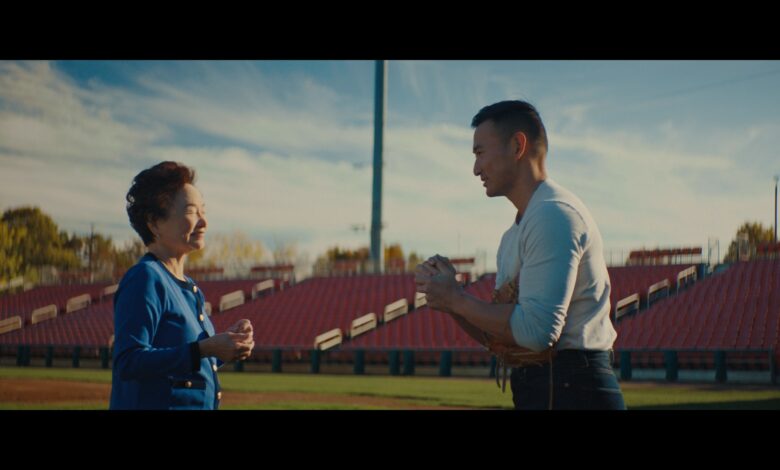
Some stories about the American dream aren’t loud and flashy — they happen quietly. They take years of hard work, sacrifice, and small moments that shape families forever. Home Plate, the new short documentary directed by Lukas Dong for Breakwater Studios in partnership with McDonald’s, is about exactly that.
The film premieres on May 21 on McDonald’s YouTube channel in honor of AAPI Heritage Month. It follows Andrew Chin and his mother, Carol Chin, whose lives unexpectedly mirror one another. At its core, Home Plate is about what happens when life forces you to change direction — and how family can become the thing that carries you through it.
For Andrew, baseball was everything. Growing up in Boston, his life revolved around it. In the film, he reflects on those years with affection, especially the things his mother said. Carol was practical and traditional. She was worried about Andrew pitching left-handed because, in Chinese tradition, the left side can represent bad luck. Even so, she never deterred him from the game he loved.
In college, he was drafted by the New York Yankees organization. Suddenly, he was pitching for the Staten Island Yankees. It was a dream come true.
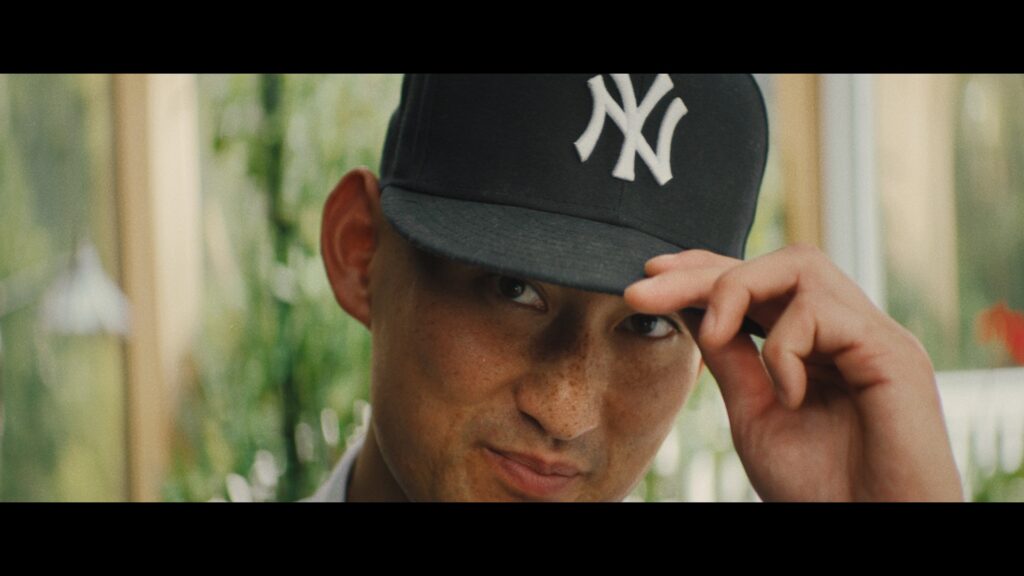
But in sports, lessons about winning and losing hit extra hard. After two seasons in the minors, Andrew got the news he had been released.
Baseball had made up Andrew’s identity for so long that losing it left him feeling like a “failure.” In the film, he admits it shook his world and that turning to his family allowed him to truly discover who he is at his core.
Home Plate shows what happens after Andrew returns home and reconnects with the family business — the McDonald’s restaurants his parents spent decades building. Instead of treating his return like a defeat, Carol and Vern Chin welcome him back with support, patience, and a new opportunity.
The film’s strongest moments are in the conversations between Andrew and his mother. As they sit across from each other, Carol shares parts of her past that Andrew never knew growing up.
Born into an upper-class family in Canton, China, Carol witnessed the rise of communism, which forced her parents to flee to Venezuela in search of a better life. Carol and her sister stayed behind in China with their aunt. She was finally reunited with her parents at age 11.
But life still wasn’t easy. She didn’t speak any Spanish, and when she arrived in Venezuela, she had a hard time fitting in. While her parents ran the family coffee shop, she struggled to adjust. College wasn’t an option. So, at 17, Carol’s mother once again did the hard thing. She handed her a one-way ticket to the United States. It was the opportunity of a lifetime.
According to Carol, her mother told her, “Go to America, work hard, and don’t come back.”
The line lands heavily in the film. It was a defining moment for Carol. She learned that sometimes the hardest decisions are the right ones.
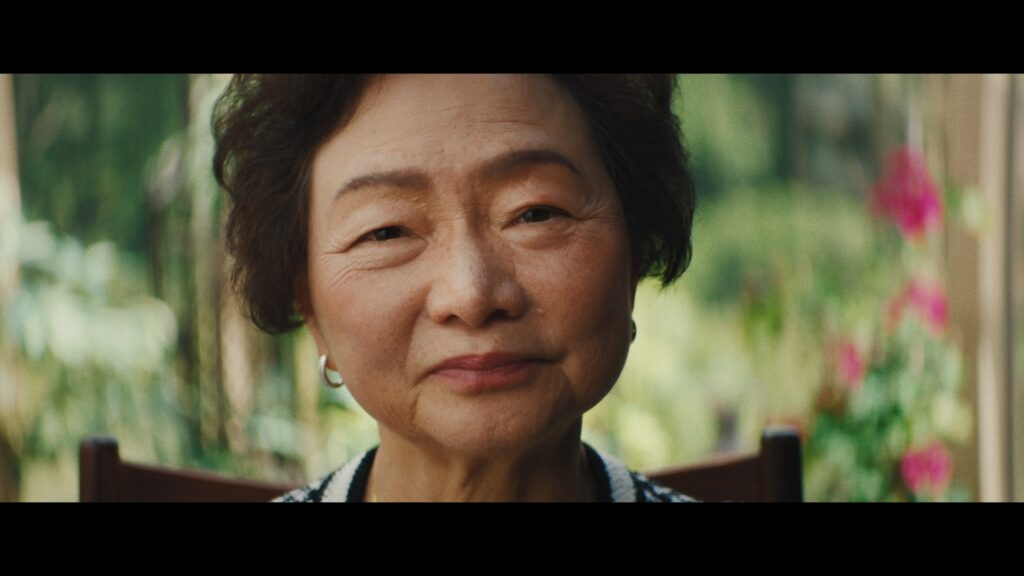
Carol landed in New York in 1972 with next to nothing. Somewhere along the way, she became fascinated by McDonald’s commercials and the company’s success. She jokes in the documentary that compared to traditional Chinese cooking, burgers and fries looked simple enough to master.
It was as if Carol had unlocked the recipe for victory. She took herself to the library and began her research. Carol and her husband Vern then sold what they had and moved to Boston, believing they could build something bigger for their family.
Andrew remembers eating Quarter Pounders all the time as a kid. He laughs that his parents were so busy working, they didn’t have time to cook. Today, the Chin family owns seven McDonald’s locations and employs hundreds of people.
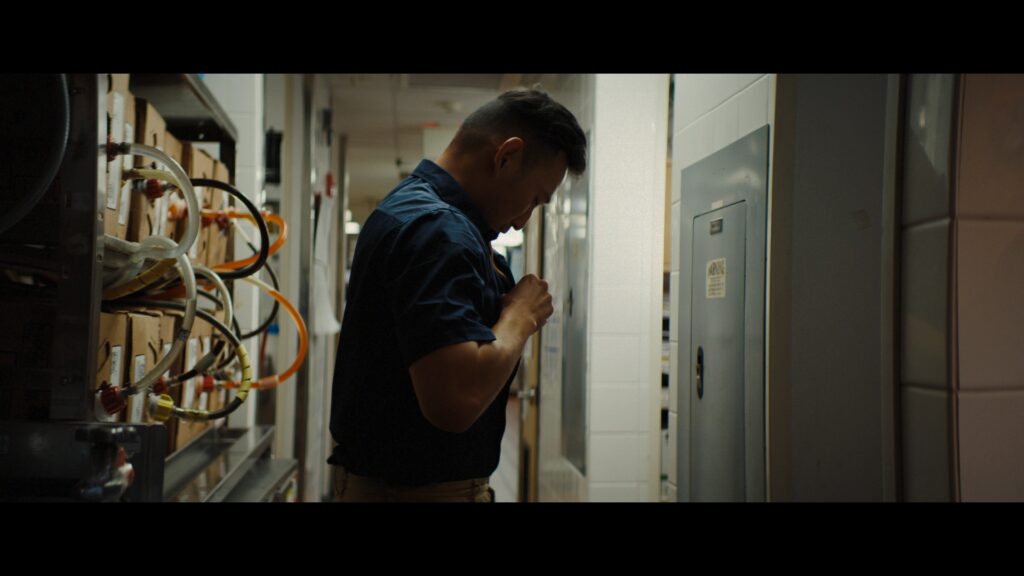
Andrew chose a different path from his parents, but eventually found his way home. He now works alongside his family. He greets employees by name and loves building relationships with customers. He wears a different uniform than the one he originally thought he’d be wearing, but he’s happy. His parents are prouder than ever.
One of the documentary’s central questions quietly emerges throughout the story: why do we only recognize success when it looks like the original plan?
At one point, Vern reflects on Andrew’s baseball career with a simple shrug: “That’s the way the ball bounces.”
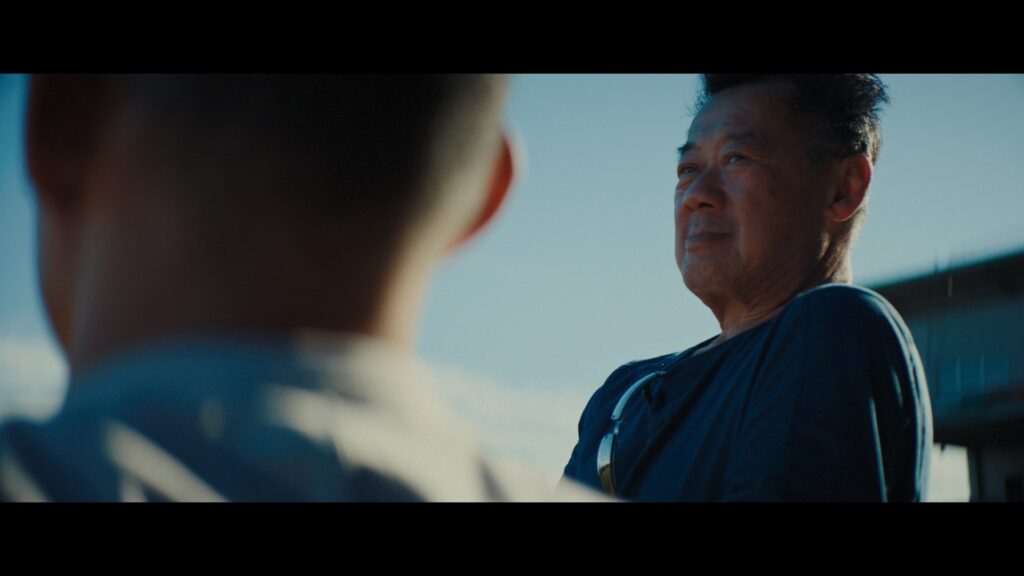
Then he adds, “There’s life after baseball.”
Resilience isn’t about refusing to let go of a dream. And success usually doesn’t come in the form you picture. Sometimes it’s about taking lessons from one chapter and carrying them into the next.
“Your job is to become as good as you can possibly be, regardless of what uniform you’re wearing,” Andrew says in the film.
Carol’s reaction says everything. The pride on her face isn’t about baseball or business. It’s about seeing her son finally understand the value of family, sacrifice, and perseverance.
“Our family is our team,” she tells him. “So you made the team. Congratulations.”
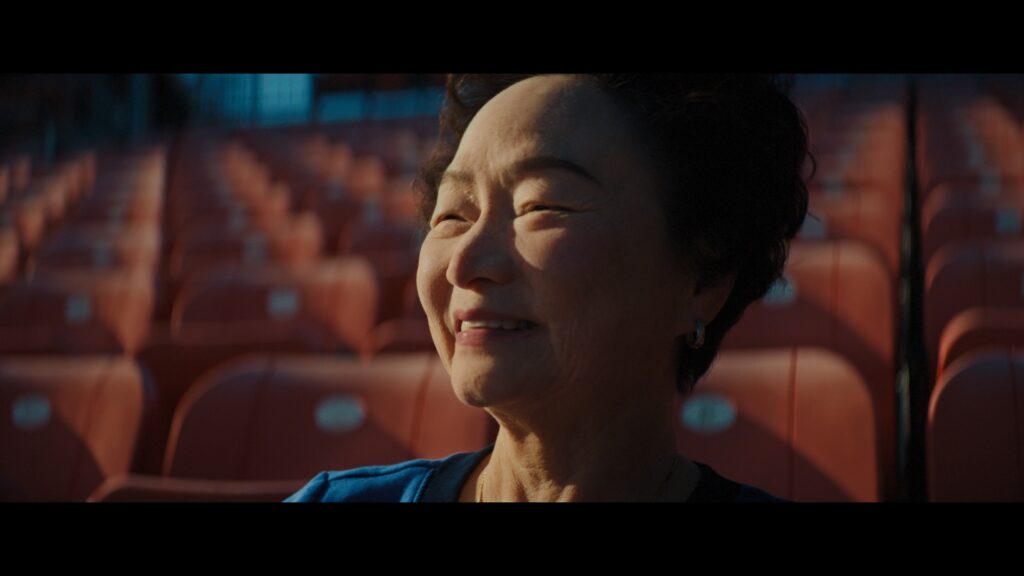
That’s ultimately what Home Plate leaves behind: the idea that starting over is not the same thing as losing. Sometimes, it’s where a different kind of success begins.
Watch the latest installment of McDonald’s 1 in 8 Stories: From America’s Dining Room here.